

Michigan proposal to ban kratom advances in state legislature as its safety is debated
Proposed kratom ban advances in Michigan legislature
State lawmakers heard from a mother who says she lost her son to kratom, as well as from people who say the supplement improved their quality of life. It’s part of a growing debate, as a ban looks increasingly likely.
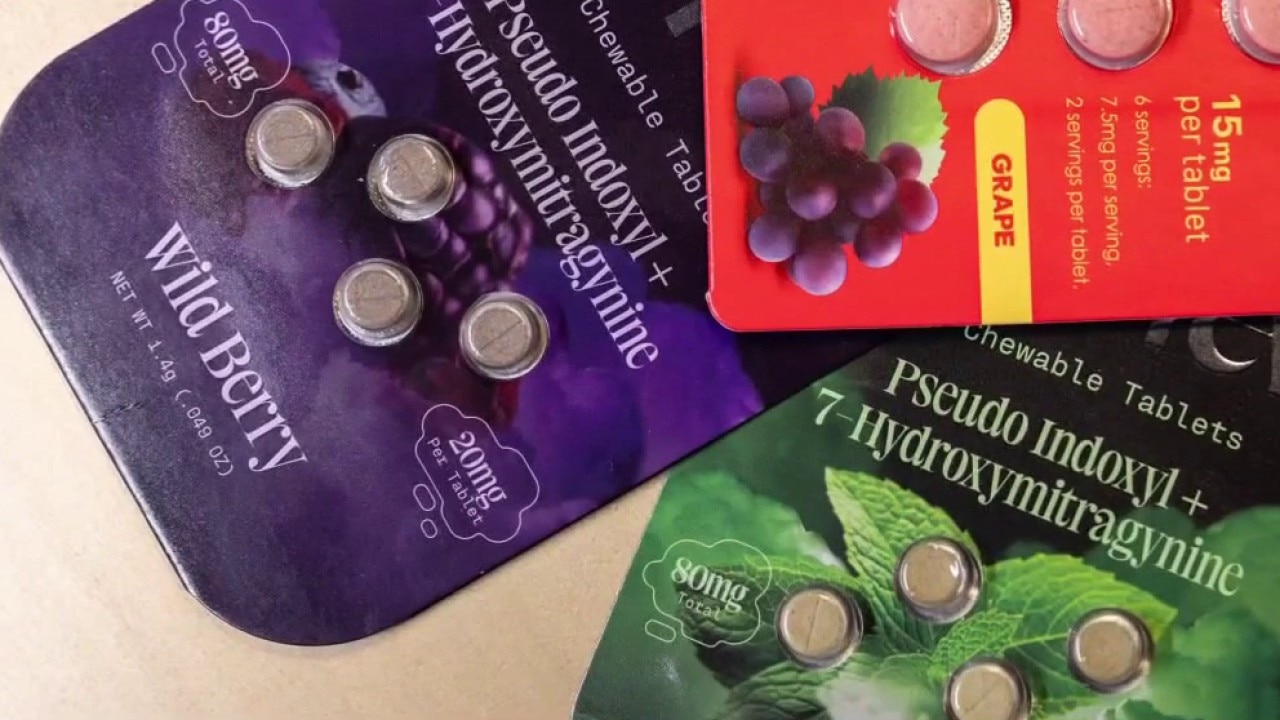
(FOX 2) - Some say it’s vital for boosting energy and helping manage pain. Others call it just another addictive opioid. Either way, Michigan State lawmakers took a big step toward banning the sale of kratom, a natural herbal supplement.
But not everyone believes a ban is the answer to fighting addiction.
Big picture view:
State lawmakers heard from a mother who says she lost her son to kratom, as well as from people who say the supplement improved their quality of life. It’s part of a growing debate, as a ban looks increasingly likely.
Patti Wheeler supports blocking access to kratom after she says her son died from an overdose. She lobbied state lawmakers Thursday, pushing for what she calls a "pause button" on the herbal extract and urging the FDA to take a more active role in regulating it.
"I don’t believe that we should put our gas station attendants and our vape store operators in pharmacological lab coats," said Wheeler. "I believe that there is a place for research and for the development, potentially, of kratom, just like all opioids."
Cam Cavitt, a Republican state representative from Cheboygan, successfully led efforts to pass a House bill that would stop the sale and production of kratom. It is typically found at gas stations and smoke shops and is often marketed as a weight loss drug or energy supplement.
"It kind of hit me because I’m tired of talking to moms and brothers and sisters who have lost loved ones to kratom," said Cavitt. "I would say probably 12 or 13, I’ve spoken to personally."
The other side:
But not everyone is on board with a ban.
Supporters like Melody Woolf say it has helped significantly with managing pain, anxiety, and opioid withdrawal, even though it is not FDA-approved.
"I took it for 12 years. I went from being bedridden, using a walker and wheelchair at times, to being fully mobile. I still have some limitations, but not very many," Woolf said.
"Regulations work. Bans do not," said Mac Haddow of the American Kratom Association. "If you ban something, you’re going to create a black market and a more dangerous environment. People will still buy it, but they’ll get it on a street corner or online where there are bad actors."
What's next:
Representative Cavitt says he received support from two co-sponsors in the Democratic caucus but was surprised to see the vote fall along party lines in the House. He believes there will be bipartisan support in the Senate, which is where the proposed ban heads next.