

New Michigan laws ban AI-generated porn
LANSING, Mich. (FOX 2) - Using artificial intelligence to create pornographic deepfakes of real people is now prohibited in Michigan, thanks to bills signed by Gov. Gretchen Whitmer this week.
"I am so excited, proud, and relieved that because of these bills, it is now illegal for individuals to create or disseminate intimate deep fakes of an individual without their consent here in Michigan," said Michigan Rep. Penelope Tsernoglou (D-East Lansing), one of the bills' sponsors.
These bills also set sentencing guidelines, which include prison time, for people convicted of violating the deepfake explicit image law.
Dig deeper:
AI can be used to generate deepfake photos and videos of people engaged in sexual activity, but as the name implies, these images are fake. Sometimes, these sexual deepfakes are used as a form of sextortion - a tactic where a person threatens to release explicit images of a victim if they do not comply with their demands.
Earlier this year, a content creator from Oregon found herself the target of such a scheme when a man from Michigan threatened to release deepfake nude photos of her if she did not reply to him.
Oakland County man allegedly used AI to generate porn of an influencer, she fought back
A case of sextortion using AI-generated naked photos of a content creator on Instagram shows the dangers of the wild west of the rapidly growing technology.
According to the victim, the man had used her real photos to generate naked photos that he then sent to her on social media last year. A year later, he sent an entire album of nude AI-generated photos to her, and began threatening to release the photos and sexually assault her if she did not respond.
The technology has also been used to create child porn. Last year, a Michigan man allegedly took photos of children posted on social media and used AI to create sexually explicit photos of these victims.
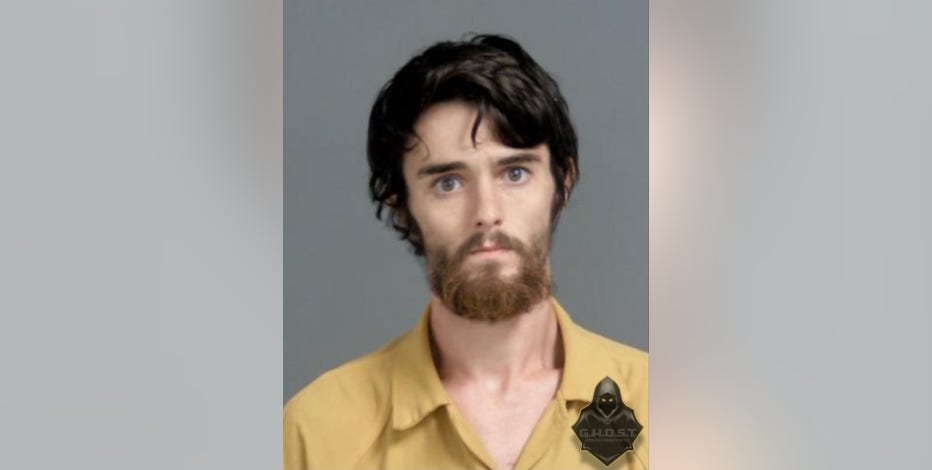
Genesee County man charged with creating A.I. child porn using minor's photo off social media
"It's the G.H.O.S.T. team's first artificial intelligence child pornography case ever," Genesee County Sheriff Chris Swanson said.
Regulation challenges:
Michigan is making strides in addressing AI-generated content that is not real, but there is still more to be done.
"These bills mark the beginning stages of a long, bumpy journey that our state faces when trying to regulate artificial intelligence, yet my hope is that these bills will serve as another example that progress is possible when it comes to regulating AI," Tsernoglou said.
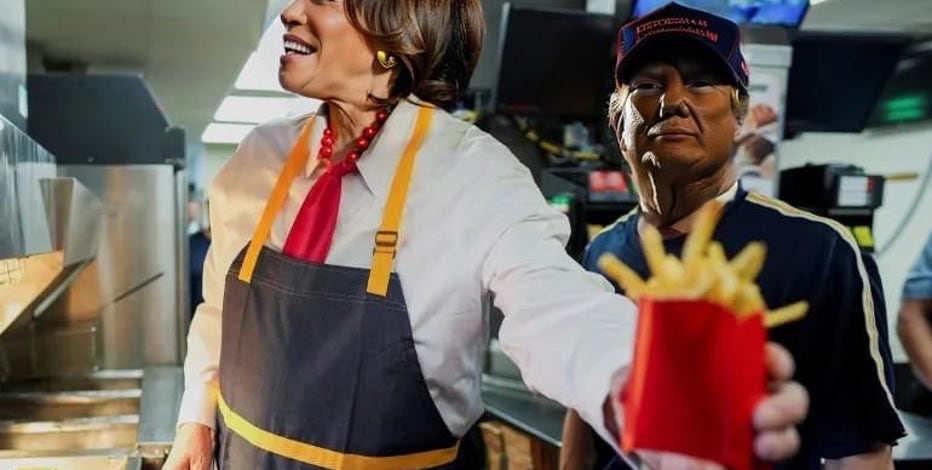
'A social problem': Growing trend of AI deepfakes and misinformation spurs fears as technology advances
With election day just a week away, the lines between real and fake continue to be blurred on social media thanks to AI-generated content. It's a problem that is only going to get worse, experts and lawmakers say.
When previously speaking with FOX 2, the state rep noted that a big challenge with regulating AI is how new and expansive the technology is.
"It's just so new and covers so many different spaces that there is going to be a lot of work to be done," Tsernoglou said.
The Source: A press release from Michigan Gov. Gretchen Whitmer and previous FOX 2 stories were used in this report.